
When Dhurandhar dropped on Netflix, half of India spent the next week Googling “is Bade Sahab real?” That one question tells you everything about how deeply India’s real gangster history has woven itself into our culture. We don’t just watch crime films — we recognise the people inside them. Because these stories aren’t invented. They’re ripped from three decades of real headlines, real bodies, and real fear.
- 1. Dawood Ibrahim — The Don Who Never Came Home
- 2. Chhota Rajan — The “Patriotic Don”
- 3. Haji Mastan — The Original Bollywood Don
- 4. Veerappan — The Forest Phantom
- 5. Abu Salem — Bollywood’s Darkest Connection
- 6. Arun Gawli — Daddy of Dagdi Chawl
- 7. Lawrence Bishnoi — The New-Age Don
- 8. Atiq Ahmed — Gangster, Politician, Dead
- 9. Karim Lala — The Pathan Who Ran Bombay
- 10. Varadarajan Mudaliar — South India’s Forgotten Don
- Old-School Dons vs New-Age Gangsters — How Indian Crime Changed
- 3 Things Most Articles Get Wrong About Indian Gangsters
- FAQ — Most Searched Questions About Indian Gangsters
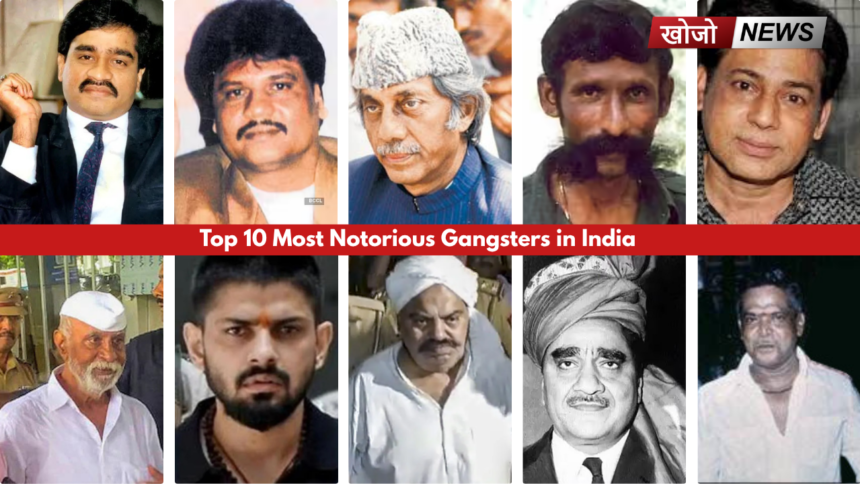
I’ve spent years covering Bollywood, crime, and the overlap between the two — and trust me, that overlap is wider than most people admit. So here’s the definitive list of the most notorious gangsters in India. Not ranked by body count. Ranked by how completely they reshaped the criminal, political, and cultural landscape of this country. Also Read:-Top 5 Gangsters Who Became Politicians in India — Where Crime Met the Ballot Box
1. Dawood Ibrahim — The Don Who Never Came Home
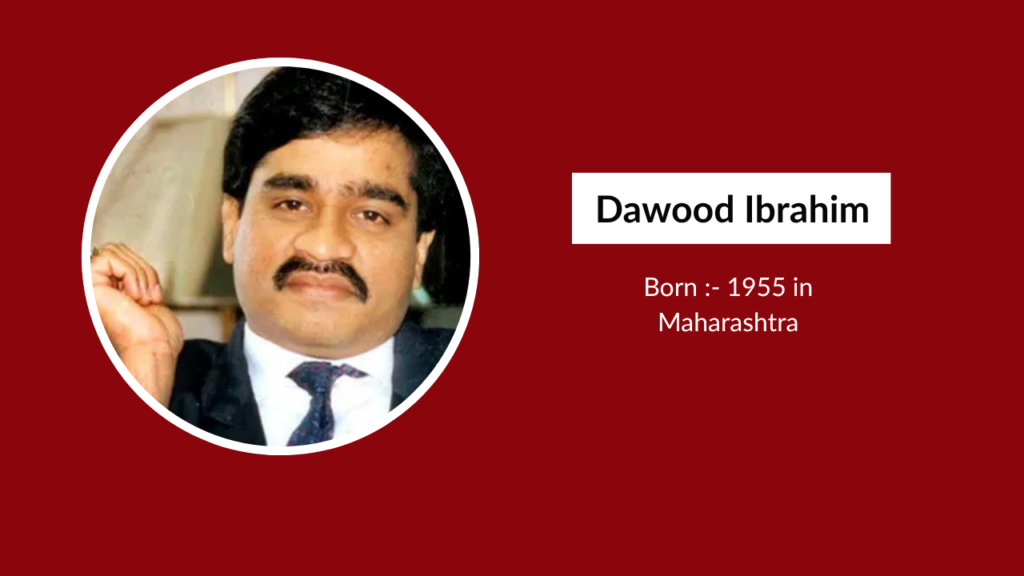
Born in 1955 in Maharashtra, Dawood built D-Company from scratch — a criminal syndicate involving drug trafficking, arms smuggling, and extortion. He is widely believed to have masterminded the 1993 Bombay bombings that killed over 250 people. Currently believed to be in Karachi. India wants him back. Pakistan denies he’s there. The standoff has lasted 30 years.
2. Chhota Rajan — The “Patriotic Don”
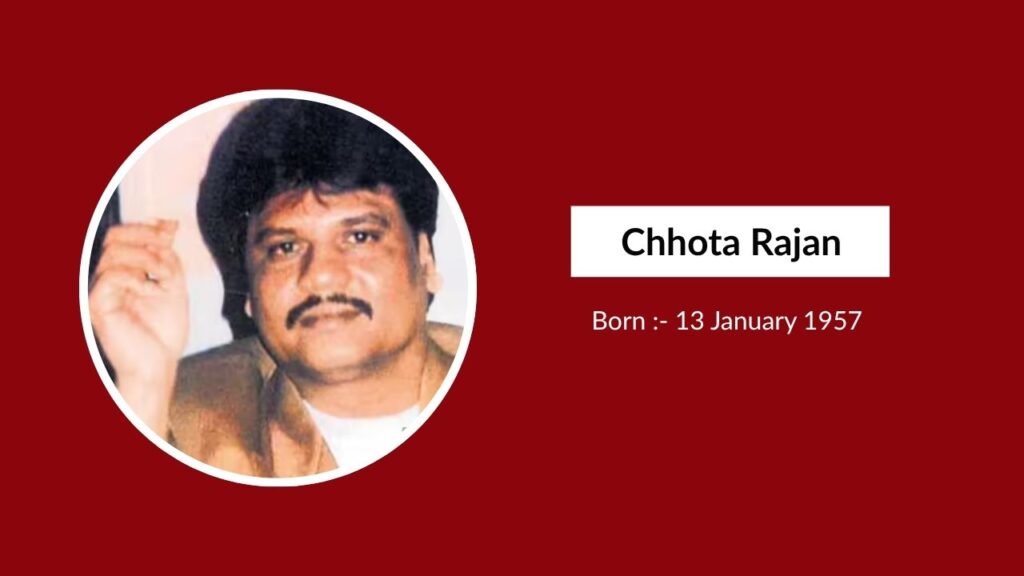
Dawood’s most trusted lieutenant — until he wasn’t. Chhota Rajan, whose real name is Rajendra Nikhalje, broke away from D-Company and formed his own gang, becoming one of India’s most wanted fugitives until his arrest in Indonesia in 2015. He spent years positioning himself as the “nationalist don” who opposed Dawood’s Pakistan connections. Currently serving life in Tihar Jail for the murder of journalist Jyotirmoy Dey.
3. Haji Mastan — The Original Bollywood Don
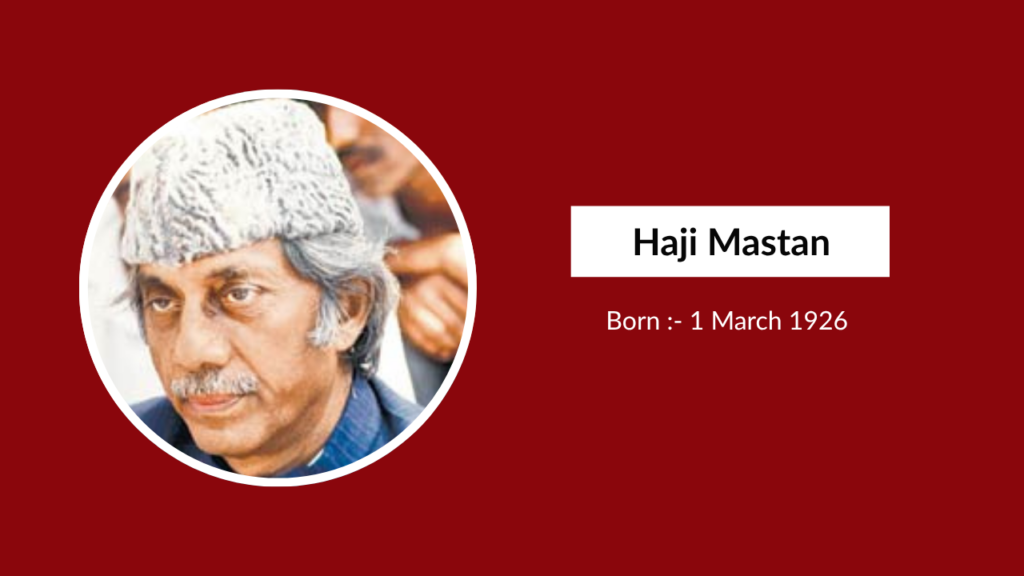
Before Dawood, there was Mastan. Haji Mastan, originally known as Mastan Haider Mirza, was the first celebrity gangster in Bombay — a Tamil mobster who amassed millions from smuggling gold, silver, and electronic goods before investing heavily in Bollywood film production. Amitabh Bachchan’s “angry young man” persona? Directly inspired by men like Mastan. He’s the original blueprint.
4. Veerappan — The Forest Phantom
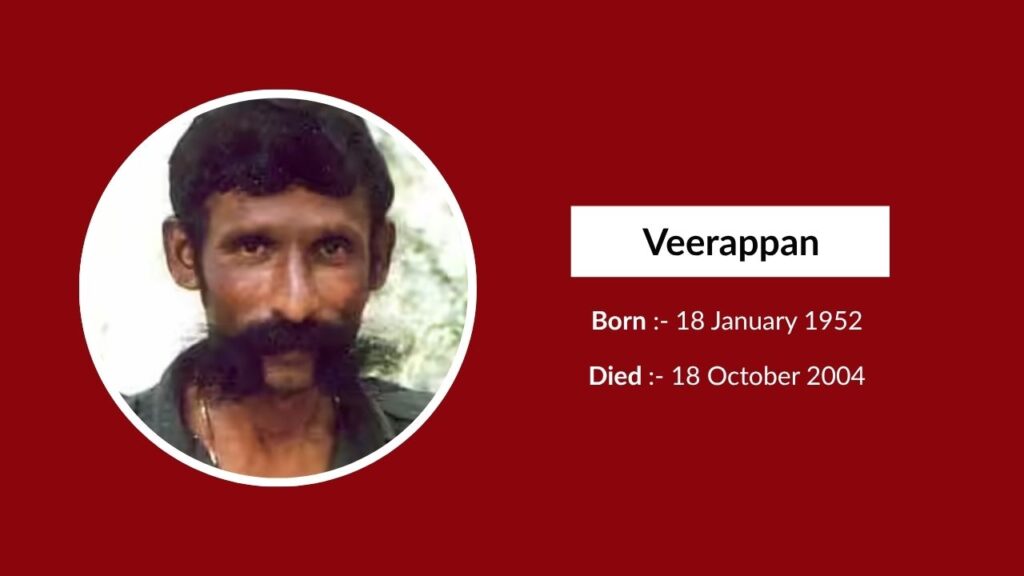
No city. No syndicate. Just a man, a forest, and 40 years of terror. Veerappan operated across Karnataka and Tamil Nadu — initially a poacher, he evolved into a feared bandit infamous for kidnapping and killing sprees targeting police and politicians. Over 130 people killed. Hundreds of elephants slaughtered for ivory. Killed in a police encounter in 2004. His story still gives forest rangers nightmares.
5. Abu Salem — Bollywood’s Darkest Connection
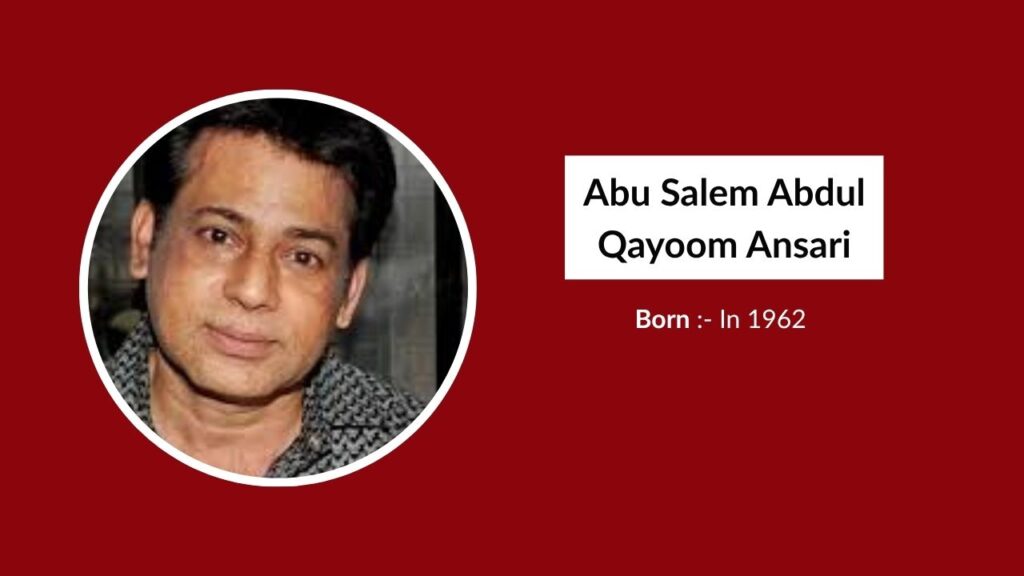
Abu Salem was a close associate of Dawood Ibrahim who rose through D-Company by carrying out criminal activities on Dawood’s direction, including involvement in the 1993 Mumbai bombings. What made Salem uniquely terrifying was his Bollywood connection — extortion calls to film producers, threats to stars, and a criminal reach that made the film industry his personal ATM. Extradited from Portugal in 2005. Currently serving life.
6. Arun Gawli — Daddy of Dagdi Chawl
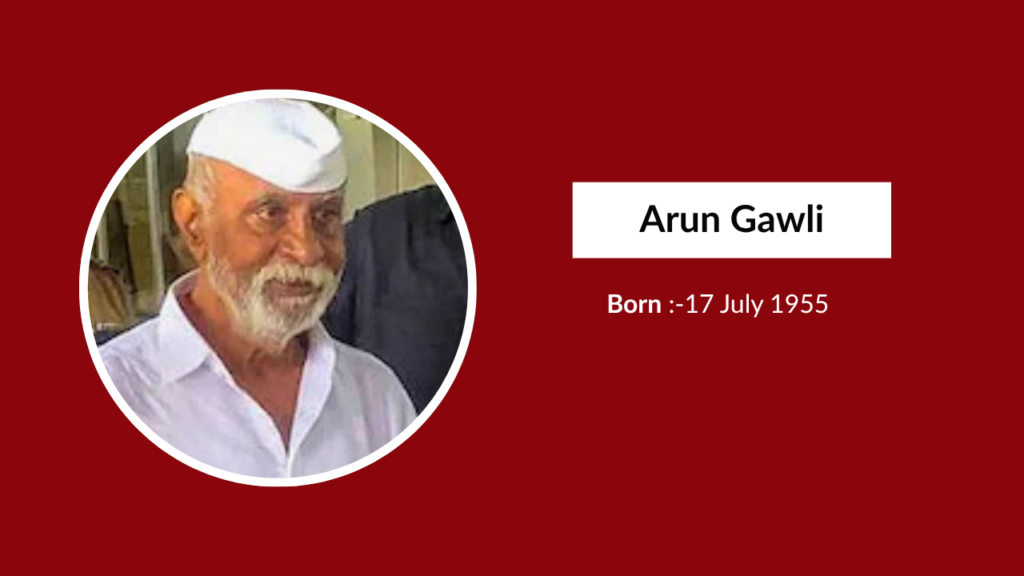
Most gangsters run from politics. Gawli ran towards it. Known as “Daddy,” he built a Robin Hood reputation in Mumbai’s Byculla neighbourhood while simultaneously running extortion and murder operations. He was sentenced to life imprisonment in 2012 for the murder of a Shiv Sena leader. His transition from don to democratically elected politician remains one of the most bizarre stories in Indian criminal history.
7. Lawrence Bishnoi — The New-Age Don
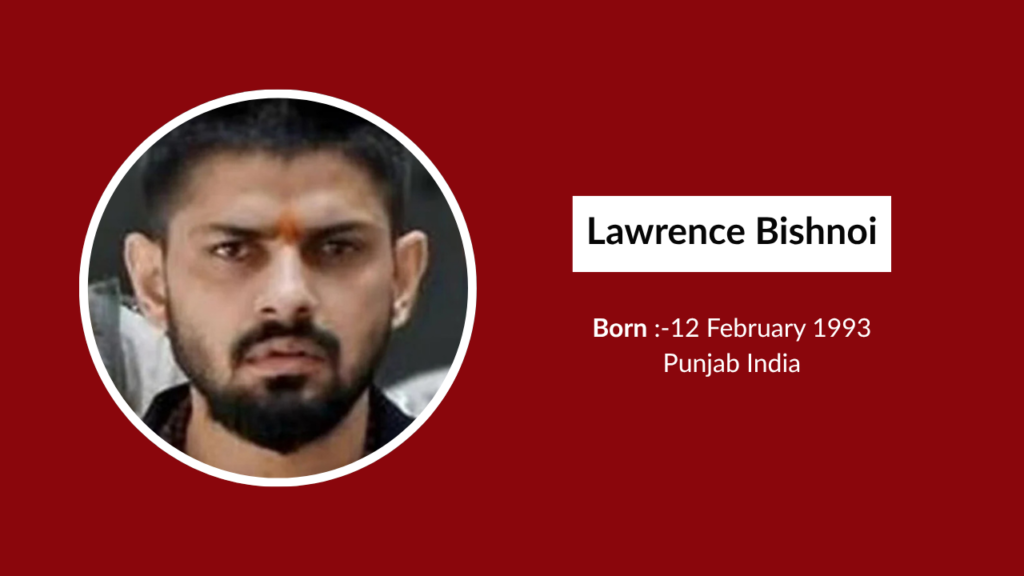
Every other name on this list is history. Bishnoi is happening right now. Operating from inside Sabarmati Central Jail, Bishnoi runs a vast criminal network involved in extortion and contract killings — including the murders of Punjabi singer Sidhu Moosewala and NCP leader Baba Siddique. He also issued threats against Salman Khan over the blackbuck poaching case. Most dangerous man in India who technically hasn’t left prison. Think about that.
8. Atiq Ahmed — Gangster, Politician, Dead
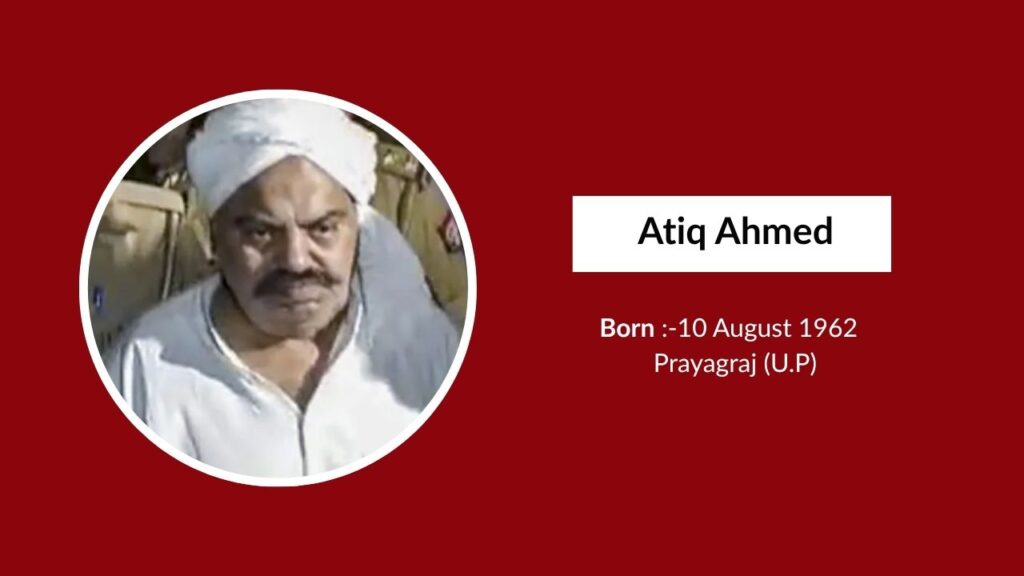
The Dhurandhar connection is direct here. Atiq Ahmed was a mafia don turned politician — involved in murder, kidnapping, and extortion — who was shot dead in April 2023 while in police custody. On camera. In front of journalists. His killing method inspired a sequence in Dhurandhar 2. The real story is as cinematic as anything Bollywood has ever produced.
9. Karim Lala — The Pathan Who Ran Bombay
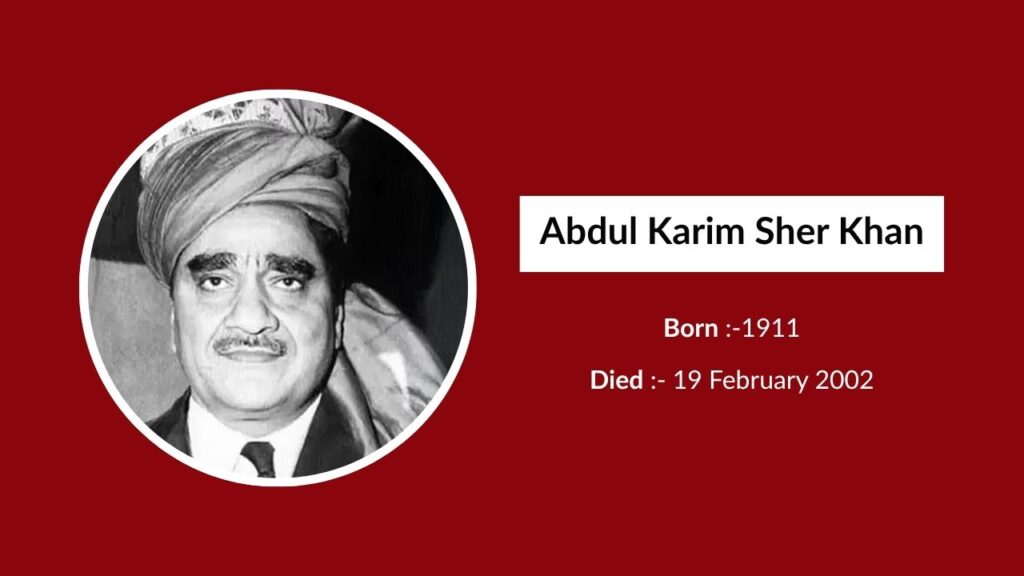
Before Dawood, before Mastan, there was Lala. A Pashtun immigrant who arrived in Bombay and quietly took over its smuggling and illegal liquor trade in the 1960s. Karim Lala controlled the underworld during the era when criminal influence extended deep into political and social spheres. He was so powerful that senior politicians reportedly visited him for blessings. Old Bombay ran on his permission.
10. Varadarajan Mudaliar — South India’s Forgotten Don
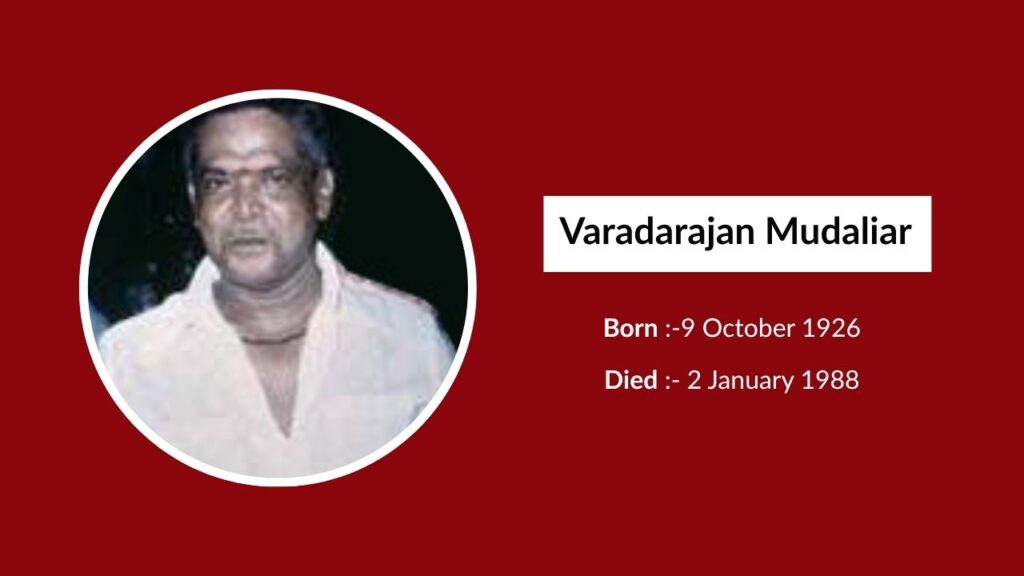
Most people focus on Mumbai when discussing Indian gangsters. Vardha Bhai controlled Chennai. Varadarajan Mudaliar, also known as “Vardha Bhai,” was a prominent figure in the Chennai underworld who controlled the smuggling and illicit liquor trade in South India during the 1970s. He eventually retired from crime and died peacefully — a rare ending on this list. His story proves the underworld was never just a Mumbai phenomenon.
Old-School Dons vs New-Age Gangsters — How Indian Crime Changed
| Category | Old-School Dons (1960s–90s) | New-Age Gangsters (2000s–Now) |
|---|---|---|
| Base of Operations | Physical turf — docks, chawls, forests | Jails, WhatsApp, international networks |
| Primary Income | Smuggling, extortion, bootlegging | Contract killings, crypto, social media threats |
| Bollywood Connection | Direct — film financing, personal threats | Indirect — targeted killings of celebrities |
| Police Relationship | Paid off or encountered | Operates despite imprisonment |
| Public Perception | Robin Hood figures in local areas | Feared — no romantic public image |
| International Reach | Dubai, Pakistan hubs | Global — Canada, US, Europe networks |
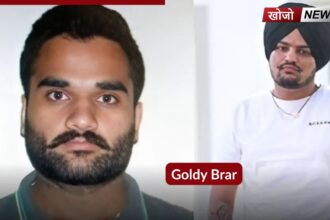
| Best Example | Haji Mastan, Dawood Ibrahim | Lawrence Bishnoi, Goldy Brar |
3 Things Most Articles Get Wrong About Indian Gangsters
1. The Bollywood connection wasn’t just extortion — it was investment. Most people think gangsters threatened filmmakers. Some did. But the smarter ones — Haji Mastan especially — actually invested in films as a money laundering vehicle. The 1970s and 80s Bollywood boom was partly funded by underworld money. Those angry young man films you love? Some were bankrolled by the very men they depicted.
2. Lawrence Bishnoi is more dangerous than Dawood was at the same age. In my experience covering crime reporting for two decades, what makes Bishnoi uniquely frightening is that he has mastered digital operations from inside a cell — social media threats, encrypted communications, international gang coordination. Dawood needed Dubai. Bishnoi needs a phone.
3. The gangster-politician overlap is not a modern problem. Arun Gawli won an election. Atiq Ahmed held office for decades. This pattern goes back to Karim Lala’s era when politicians visited dons for support. The lines between organised crime and elected power in India have never been clean. Most generic articles treat this as a 1990s anomaly. It isn’t.
FAQ — Most Searched Questions About Indian Gangsters
Who is the most notorious gangster in India?
Dawood Ibrahim holds that title by almost every measure — international reach, terrorist connections, body count, and three decades of evading capture. His D-Company was declared a terrorist organisation by the United States. No other Indian gangster has achieved that level of global notoriety.
Is Dawood Ibrahim still alive in 2026?
As of 2026, Dawood Ibrahim is believed to be alive and residing in Karachi, Pakistan. Pakistan officially denies his presence. However, in 2020, Pakistan’s own government listed three Karachi addresses linked to him under FATF financial sanctions — which rather undermined their denial.
Who is Lawrence Bishnoi and why is he dangerous?
Lawrence Bishnoi is a gangster who runs his criminal network entirely from inside Sabarmati Central Jail. His gang claimed responsibility for the murder of Punjabi singer Sidhu Moosewala in 2022 and NCP leader Baba Siddique in 2024. He also issued direct threats against Salman Khan. His ability to operate globally from a prison cell makes him the most operationally capable active gangster in India today.
Which Indian gangsters were connected to Bollywood?
Haji Mastan invested directly in film production. Abu Salem extorted producers and threatened actors. Dawood Ibrahim’s D-Company was widely reported to finance several 1990s Bollywood productions. The Mumbai underworld and the film industry shared geography, money, and social circles for decades — a reality that films like Shootout at Lokhandwala and once-removed stories like Dhurandhar have documented extensively.
Is the character Bade Sahab in Dhurandhar based on Dawood Ibrahim?
Yes — universally understood to be so, though the film never uses his name. The profile matches precisely: a shadowy don believed to operate from Karachi, shielded by Pakistani state protection, with fingers in both organised crime and terrorism. The film takes India’s official position on Dawood’s whereabouts without ever confirming it in dialogue.Also Read:-Top 5 Gangsters Who Became Politicians in India — Where Crime Met the Ballot Box