
Quick Info: Hometown: Oslo, Norway | Profession: Journalist · Commentator · Freelance Reporter | Known For: Questioning PM Narendra Modi at Oslo joint press appearance — May 2026
- Who Is Helle Lyng — Professional Background
- The Oslo Press Conference — What Actually Happened
- The Social Media Backlash — Spy Allegations, Abuse & The Public Denial
- Controversies — The Press Freedom Debate
- Lesser Known Facts About Helle Lyng
- 3 Things Most Coverage of the Helle Lyng Incident Miss
- FAQ — What People Are Searching About Helle Lyng
| Full Name | Helle Lyng Svendsen |
| Known As | Helle Lyng |
| Profession | Journalist · Political Commentator · Foreign Affairs Reporter |
| Nationality | Norwegian |
| Based In | Oslo, Norway |
| Current Employer | Dagsavisen — Oslo-based daily newspaper (political commentary and reporting) |
| Previous Work | Freelance journalist for multiple Norwegian publications · MSN contributor |
| Twitter / X Handle | @HelleLyngSvends |
| @hellelyng | |
| Coverage Focus | Political and public affairs · Foreign relations · Press freedom |
| Viral Moment | Questioned PM Narendra Modi at Oslo joint press appearance — May 18, 2026 |
| Exact Quote (Modi) | “Why don’t you take some questions from the freest press in the world?” |
| India Press Freedom Rank | 157th — World Press Freedom Index (as cited by Lyng on X) |
| Norway Press Freedom Rank | 1st — World Press Freedom Index (Number 1 globally) |
| Indian Embassy Response | Tagged Lyng on social media and invited her to a separate press briefing later that day |
| MEA Official Response | Sibi George (MEA Secretary West) — refuted her questions at the briefing, referencing India’s civilisation, Yoga, and COVID vaccine diplomacy |
| Spy Allegations | Publicly denied by Lyng — “I am not a foreign spy of any sort, sent out by any foreign government” |
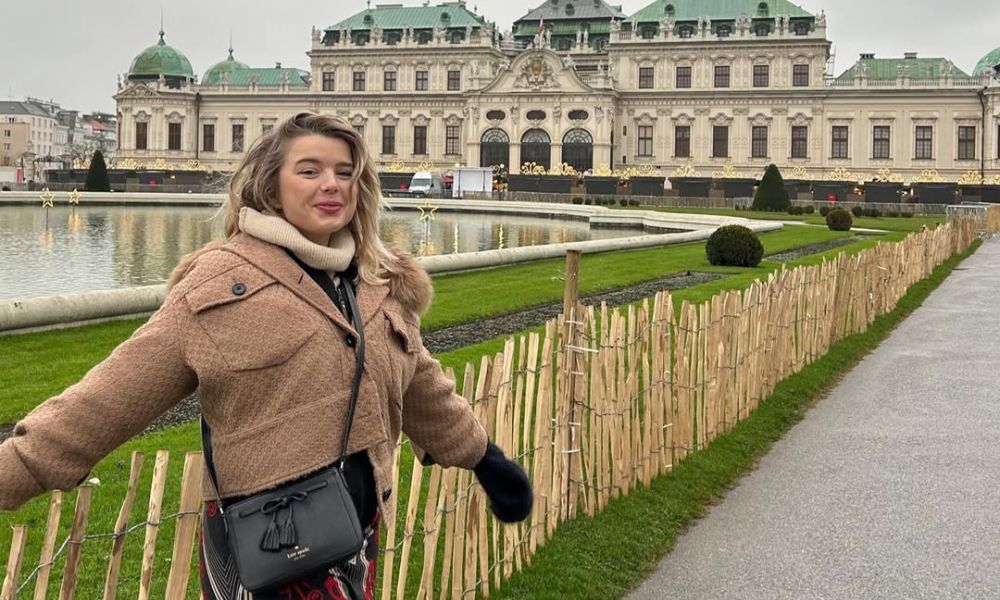
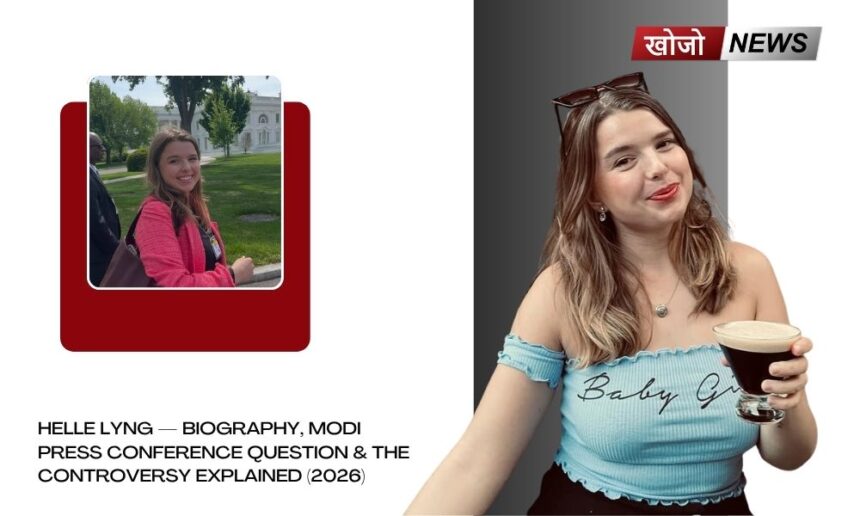
Photo: @hellelyng/instagram
On May 18, 2026, as Prime Minister Narendra Modi was leaving a joint press appearance with Norwegian Prime Minister Jonas Gahr Støre in Oslo, a Norwegian journalist called out from the press area: “Why don’t you take some questions from the freest press in the world?” Modi did not stop. Støre did not respond. The journalists in the room captured it on camera. Within hours, the video was viral and Helle Lyng had posted on X: “PM of India, Narendra Modi, would not take my question. I was not expecting him to. Norway has the number one spot on the World Press Freedom Index, India is at 157th, competing with Palestine, Emirates and Cuba. It is our job to question the powers we cooperate with.”
By the following day, she was one of India’s most searched names. By the day after that, she had been called a spy, a foreign plant, a Chinese proxy, a Soros agent — and had needed to issue a public denial on X that she was none of these things. The story of Helle Lyng is the story of what happens to a working journalist in 2026 when she asks a question that a powerful country’s social media apparatus decides it does not like.
Who Is Helle Lyng — Professional Background
Helle Lyng Svendsen is a Norwegian journalist and political commentator based in Oslo. She currently works as a reporter and commentator with Dagsavisen — an Oslo-based daily newspaper known for its independent political commentary and social analysis. Her professional profile on Muck Rack lists her as a freelance contributor to multiple Norwegian publications and MSN in addition to her Dagsavisen work.
Her coverage focus is political and public affairs — with a particular interest in foreign relations and press freedom. She is not a high-profile international correspondent. She is a working journalist at a mid-sized Norwegian publication who happened to be in the room when India’s Prime Minister walked past without taking questions. The question she shouted was consistent with the beat she covers and the country she works in. Norway ranks number one globally on the World Press Freedom Index. India ranks 157th. For a Norwegian political journalist, the press freedom contrast is not abstract — it is a professional reference point she uses in her work regularly.
She has not publicly confirmed biographical details including her age, educational background, or personal life — a privacy that is entirely normal for a journalist of her profile level in Scandinavia.
The Oslo Press Conference — What Actually Happened
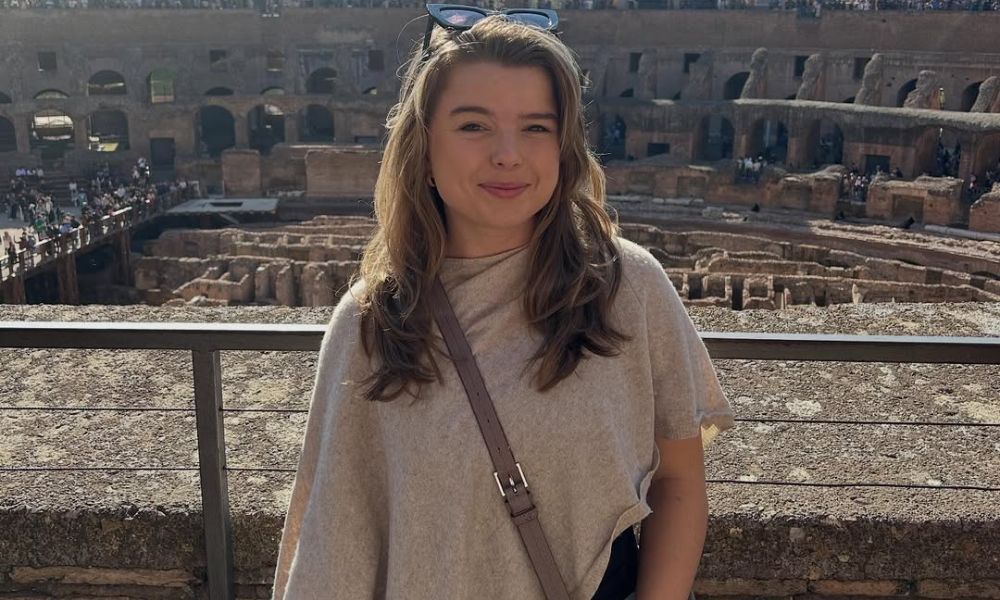
Photo: @hellelyng/instagram
Prime Minister Narendra Modi was on a Europe visit in May 2026 that included a stop in Oslo for bilateral talks with Norwegian Prime Minister Jonas Gahr Støre. The meeting focused on strengthening agreements in science, innovation, and green energy between India and Scandinavia. Following the bilateral talks, the two leaders held a joint press appearance — a standard diplomatic format in which heads of government make statements and sometimes take questions.
Modi did not take questions from the press at the joint appearance. This is not unusual for him — Modi has a well-documented pattern of not taking questions from Indian or foreign journalists at international press events. As he was leaving the stage, Helle Lyng called out her question about press freedom. He did not stop. The moment was captured and posted to social media.
What happened next was unusual. The Indian Embassy in Norway personally tagged Lyng on social media and invited her to a press briefing later in the day. She attended. At that briefing, she questioned India’s credibility and human rights record. MEA Secretary (West) Sibi George responded by referencing India’s civilisation, Yoga, and COVID vaccine diplomacy. When she tried to interrupt, George clearly asked her not to. At one point during the briefing, Lyng walked out of the room, only to return after a while.
The full sequence — the initial question, the viral clip, the Embassy invitation, the follow-up briefing, the walkout and return — generated a multi-day news cycle in India that was entirely disproportionate to what had been a brief, unremarkable journalistic moment in a Norwegian press room.
The Social Media Backlash — Spy Allegations, Abuse & The Public Denial
Once the video of Helle Lyng’s question went viral on Indian social media, the response from sections of India’s online political discourse was immediate and severe. She was called a foreign spy, a foreign plant, a Chinese proxy, and an agent of George Soros — none of which had any evidentiary basis whatsoever. Her social media profiles received a volume of hostile messages and allegations that prompted her to issue a formal public denial.
On May 18, 2026, she posted on X: “I never thought I would have to write this, but I am not a foreign spy of any sort, sent out by any foreign government. My work is journalism, primarily in Norway now.”
The pattern she experienced is not new in 2026. Any journalist — Indian or foreign — who asks a question that parts of India’s social media ecosystem consider insufficiently deferential toward the Prime Minister routinely faces coordinated online abuse, foreign-agent allegations, and questions about their motivation. Lyng’s experience was the same pattern applied to a Norwegian journalist who had less institutional protection than an Indian-based reporter would have.
In my experience covering press freedom incidents, the intensity of the online backlash against Lyng was precisely calibrated to her vulnerability: she was a foreign journalist, without the support of a large Indian media institution, who had momentarily inconvenienced a very powerful government’s carefully managed media narrative.
Controversies — The Press Freedom Debate
The controversy around Helle Lyng is not really about Helle Lyng. It is about two things that the incident crystallised simultaneously: India’s relationship with press freedom at home and abroad, and the weaponisation of “foreign agent” accusations against journalists who ask uncomfortable questions.
On the first point: India’s 157th ranking on the World Press Freedom Index is a documented fact, not a political opinion. Norway’s 1st ranking is equally documented. The contrast Lyng cited is verified by Reporters Without Borders’ annual methodology. Whether or not the ranking’s methodology is contested — it is, by some — the disparity between the two countries’ rankings is not disputed.
On the second point: the “George Soros agent” allegation that circulated against Lyng is a template accusation that has been applied to Indian journalists, opposition politicians, academics, and civil society organisations over the past several years. Applying it to a Norwegian journalist working at a small Oslo newspaper — with zero evidence — demonstrates how automated and reflexive the allegation has become. It no longer requires any factual basis. It requires only that the target said something that someone powerful found inconvenient.
Lesser Known Facts About Helle Lyng
- Helle Lyng’s full name is Helle Lyng Svendsen — she uses Helle Lyng professionally across her bylines and social media handles.
- She works at Dagsavisen — an Oslo-based daily newspaper described as “highly regarded for its independent political commentary and social analysis” despite being smaller than Norway’s major national dailies.
- Her professional profile on Muck Rack — a journalist credential verification platform — lists her as a freelance contributor to multiple Norwegian publications and MSN in addition to Dagsavisen.
- Norway ranks number one globally on the World Press Freedom Index — the specific credential she invoked when addressing Modi, published annually by Reporters Without Borders.
- India ranks 157th on the same index — placing it, as Lyng noted, alongside Palestine, the UAE, and Cuba in the rankings that year.
- The Indian Embassy in Norway tagged her directly on social media after the viral moment and invited her to a separate press briefing — an unusual diplomatic response that effectively amplified rather than defused the controversy.
- She attended the Indian Embassy press briefing and asked further questions — demonstrating that she was engaged in genuine journalism rather than a one-time viral gesture.
- MEA Secretary Sibi George — India’s senior foreign ministry official handling European diplomacy — responded to her questions at the briefing, referencing India’s civilisational history, Yoga, and COVID-19 vaccine diplomacy.
- She was subjected to “spy” and “foreign agent” allegations — including the specific “George Soros agent” accusation — without any verified evidence supporting any of these claims.
- Her public denial on X — “I never thought I would have to write this, but I am not a foreign spy of any sort” — received international coverage in publications including Deccan Herald and The Federal.
- She is active on Instagram @hellelyng and Twitter/X @HelleLyngSvends — both accounts became the target of coordinated hostile messaging following the viral incident.
- Following the incident, Indian opposition leaders commented publicly on the press freedom dimensions of the story — Lyng reached out to them publicly via social media for interviews, demonstrating continuing journalistic engagement rather than retreat.
3 Things Most Coverage of the Helle Lyng Incident Miss
1. The Indian Embassy’s decision to tag and invite her was the moment that turned a brief press room incident into a multi-day international story. If the Embassy had simply not responded, the viral clip would have generated one news cycle and faded. By personally tagging Lyng on social media, inviting her to a press briefing, and then having a senior MEA official engage with her on camera — India’s diplomatic machinery gave the story legs, witnesses, and a sequel. The decision to engage was more consequential than the original question.
2. The “George Soros agent” allegation is not a question — it is a pre-written accusation template being applied to anyone who creates friction. Helle Lyng works at a small Oslo newspaper. George Soros funds large-scale democratic civil society organisations globally. The causal chain between the two — a Norwegian journalist asking a question at a press conference → confirmed Soros operative — requires so many unverified intermediate steps that it functions as noise rather than analysis. It should be treated as such in any honest coverage of the incident.
3. The sequence of events — viral question, Embassy invitation, MEA press briefing, walkout, return — is the story, not the original question. The original question took three seconds. The diplomatic aftermath took two days and generated international coverage across India, Norway, Al Jazeera, and major Indian news platforms. The disproportionality between cause and effect is itself the story. A brief, unremarkable moment of journalistic access-seeking generated a 48-hour India-Norway press freedom diplomatic incident. That gap is what deserves analysis.
For more on India’s political landscape and press freedom debates in 2026, read our analysis: Cockroach Janta Party — What Is It, Founder & Manifesto 2026.”
FAQ — What People Are Searching About Helle Lyng
Who is Helle Lyng?
Helle Lyng (full name: Helle Lyng Svendsen) is a Norwegian journalist and political commentator based in Oslo. She works as a reporter and commentator at Dagsavisen — an Oslo-based daily newspaper — and has contributed as a freelancer to multiple Norwegian publications and MSN. She gained international attention on May 18, 2026 when she called out to Indian Prime Minister Narendra Modi at a joint press appearance in Oslo, asking why he would not take questions from “the freest press in the world.” The moment went viral across Indian social media and triggered a press freedom debate across multiple countries.
Is Helle Lyng an agent of George Soros?
No. There is no verified evidence of any connection between Helle Lyng and George Soros or any of his organisations. Lyng herself addressed this directly on X on May 18, 2026, posting: “I never thought I would have to write this, but I am not a foreign spy of any sort, sent out by any foreign government.” She is a working journalist employed at Dagsavisen, a small Oslo newspaper. The “George Soros agent” allegation was a template accusation circulated on Indian social media without any factual basis — consistent with a broader pattern in which the Soros allegation is applied to anyone who creates friction with powerful Indian interests, regardless of evidence.
Was a joint press conference the correct place to ask such a question?
This is a genuinely debated question with reasonable positions on both sides. In favour of her approach: joint press appearances are precisely the settings where journalists are expected to attempt access. Modi routinely does not take questions at such events — a fact that Lyng herself acknowledged (“I was not expecting him to”). Shouting a question from the press area as a leader exits is a standard journalistic tactic used globally. In favour of the criticism: diplomatic joint appearances are tightly protocol-governed and unsolicited shouted questions can be seen as disrupting bilateral proceedings. Ultimately, press freedom conventions — particularly in Norway, which ranks first globally — hold that attempting to question a visiting leader at a press setting is legitimate journalism, not a protocol violation.
Was Helle Lyng only trying to get attention?
This is a question best answered by her subsequent conduct. After the viral moment, she attended the Indian Embassy’s press briefing — which was not a social media opportunity but a room full of diplomatic officials — and continued asking questions about India’s human rights record. She reached out to Indian opposition leaders for comment. She posted substantive follow-up observations about press freedom rankings. A journalist seeking only attention would have stopped after the viral clip. Lyng continued reporting. Whether her original question was a calculated media moment or a spontaneous journalistic impulse is something only she knows. Her professional record before and after the incident suggests a working journalist operating in her area of coverage, not a one-day viral sensation.
What happened at the Indian Embassy press briefing after the viral moment?
After the Oslo joint press appearance went viral, the Indian Embassy in Norway tagged Helle Lyng on social media and invited her to a separate press briefing later the same day. She attended and questioned India’s credibility and human rights record. MEA Secretary (West) Sibi George responded by referencing India’s civilisational history, Yoga, and COVID vaccine diplomacy. When she attempted to interrupt, George asked her not to. At one point during the briefing, she walked out of the room and later returned. The briefing was recorded and became a secondary viral event, extending the story’s news cycle by a further 24–48 hours.
Helle Lyng asked a question that took three seconds. The diplomatic and social media response that followed lasted two days and reached international media. She denied being a spy, attended the follow-up briefing, and continued reporting. The incident itself is a small data point in India’s ongoing relationship with press scrutiny from foreign media. The volume of the response it generated is a much larger data point about how that relationship works in 2026.
Norway remains first on the World Press Freedom Index. India remains 157th. The question that started the whole incident is still unanswered.